Rockwool
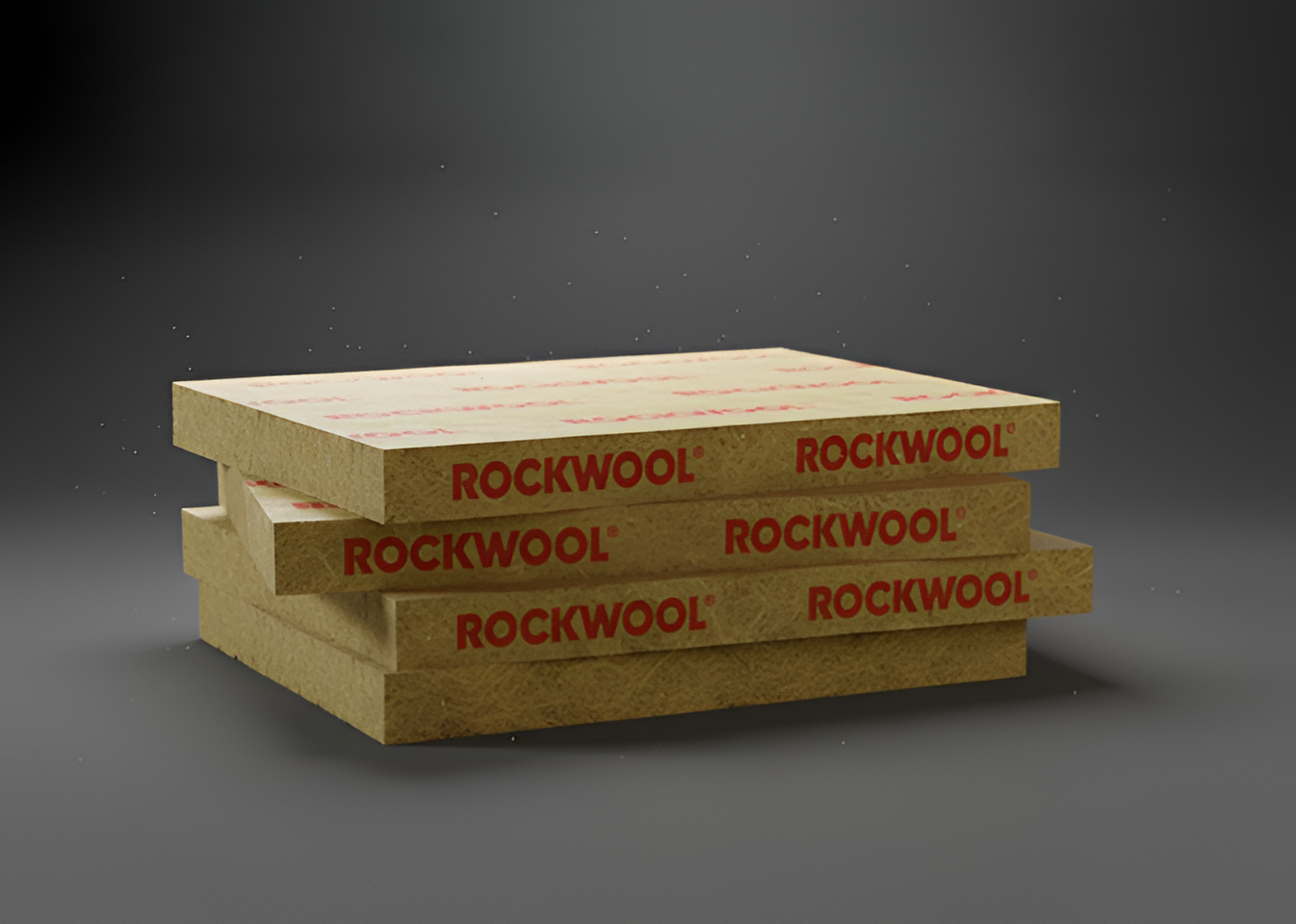
ROCKWOOL is a globally trusted brand offering advanced stone wool insulation and drywall solutions designed to improve thermal comfort, fire safety, and sound control. Rockwool products are widely used in residential, commercial, and industrial buildings to create strong, energy-efficient, and acoustically balanced interior spaces.
Why Choose ROCKWOOL Systems?
- Acoustic Comfort – Creates quieter indoor environments.
- Superior Sound Control – Reduces noise between rooms and floors.
- Fire-Rated Material – Stone wool is naturally fire safe.
- Moisture-Resistant – Performs well even in humid environments.
- Durable Performance – Maintains quality over time.
Thermal Comfort
Keeps interiors cooler in summer and warmer in winter.
Energy Efficient
Helps lower heating and cooling costs.
Fire Safety
Provides reliable protection against fire spread.
Durable Material
Delivers long-term insulation performance.
Complete Drywall Solutions
ROCKWOOL offers complete drywall and insulation systems including stone wool insulation boards, rolls, and accessories designed for walls, partitions, and ceilings. These solutions ensure better thermal efficiency, improved sound control, enhanced fire protection, and long-lasting durability for all types of interior spaces. ROCKWOOL systems are engineered to meet modern building standards for safety and performance. They help create comfortable, energy-efficient, and well-protected indoor environments.
FAQ
Frequently Asked Questions